

Book a demo
Get started
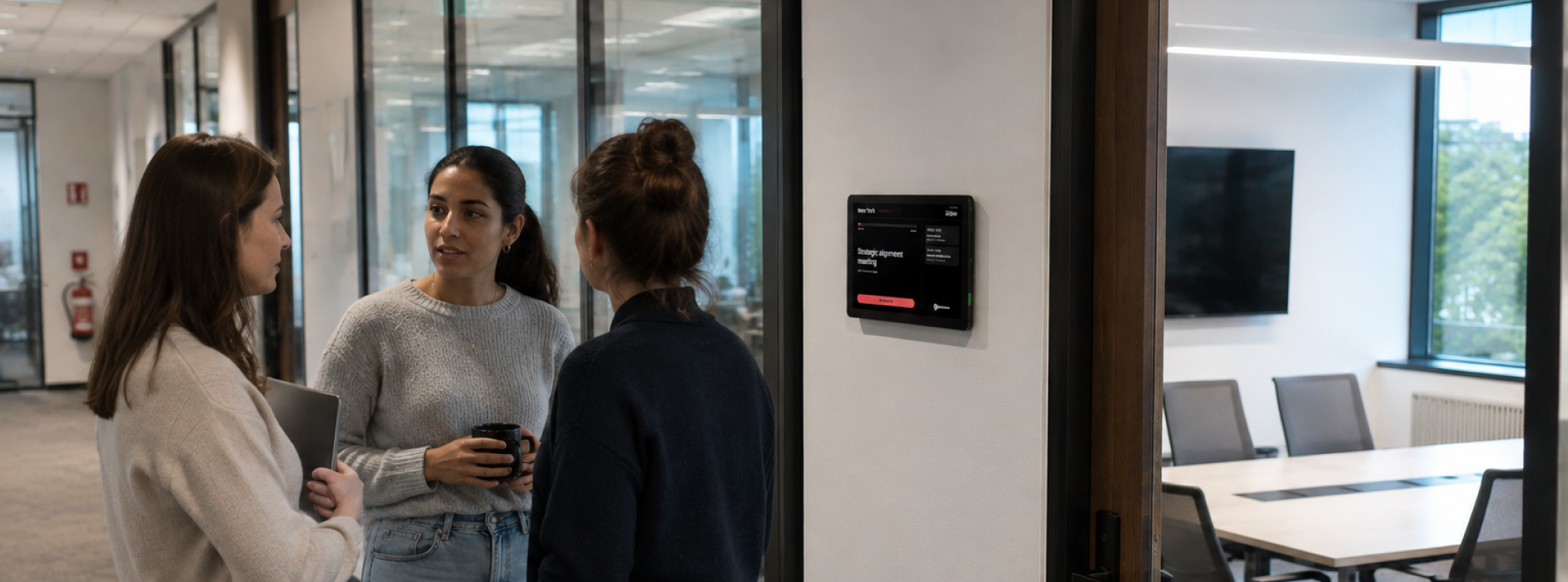
Space management becomes more valuable when workplace data and employee interactions are not treated as two separate worlds.
Employees book desks and rooms, plan when they come to the office, use shared resources and interact with workplace services. Each of these interactions can provide useful context for workplace & facilities teams trying to understand how spaces are being used.
This creates a virtuous cycle: workplace teams gain better visibility into demand and usage, while employees get an easier way to navigate the workplace.
This is the approach behind Comeen by LumApps space management solution. Rather than looking at space management only through the lens of floor plans and capacity, Comeen connects the management of spaces and resources with the way employees actually experience the workplace.
Facilities and Workplace teams can use these insights to better understand utilization and make more informed decisions about their environments, while employees can access the workplace services they need without navigating a fragmented set of tools.
The experience can also extend through Comeen by LumApps' Building App, providing a common entry point to workplace information and services. With the AI Agent Hub, you add another layer: employees can express what they need rather than figuring out which system or workflow to use.
For example, a request such as “I'm coming to the office tomorrow” is the starting point for coordinating the resources associated with that visit from a desk to parking or a locker, depending on the services available.
This illustrates a broader evolution in space management. The goal is no longer simply to digitize individual workplace tasks. It is to connect three layers that have traditionally been managed separately:
- Understand the workplace. See how spaces and resources are being used.
- Optimize the workplace. Use those insights to inform space planning and operational decisions.
- Simplify the workplace. Give employees an easier way to access the spaces and services they need.
For workplace & facilities teams, this means space management can become more than a reporting function. It becomes part of a continuous loop between workplace usage, operational decisions and employee experience.
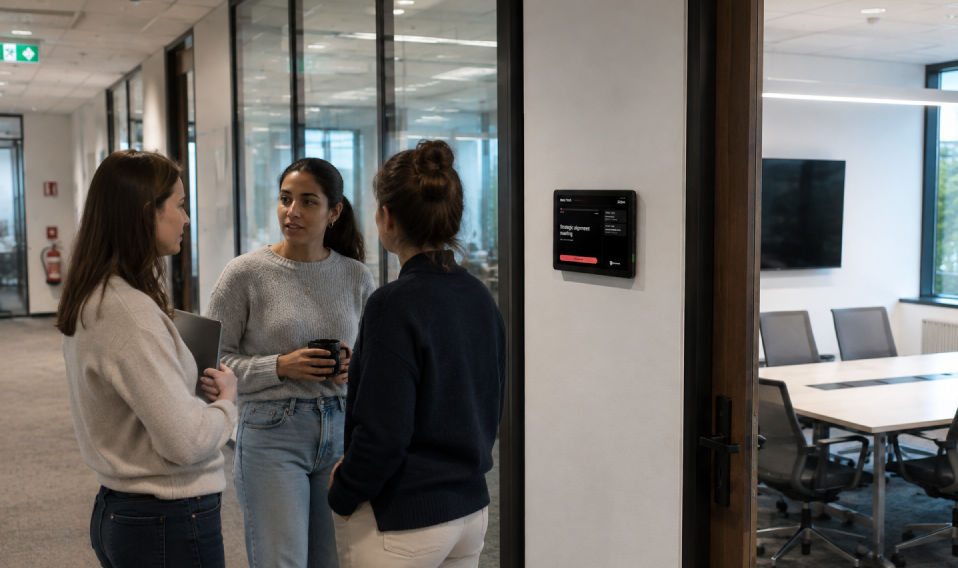
Space management creates more value when workplace data and employee experience work together. By connecting space usage, operational insights, and access to workplace services, organizations can better understand and optimize their spaces while making the workplace simpler for employees.

Hybrid work creates new workplace challenges, but the right approach can improve employee experience. Here are seven key features that help reduce friction, simplify office days, and create a more seamless workplace experience.
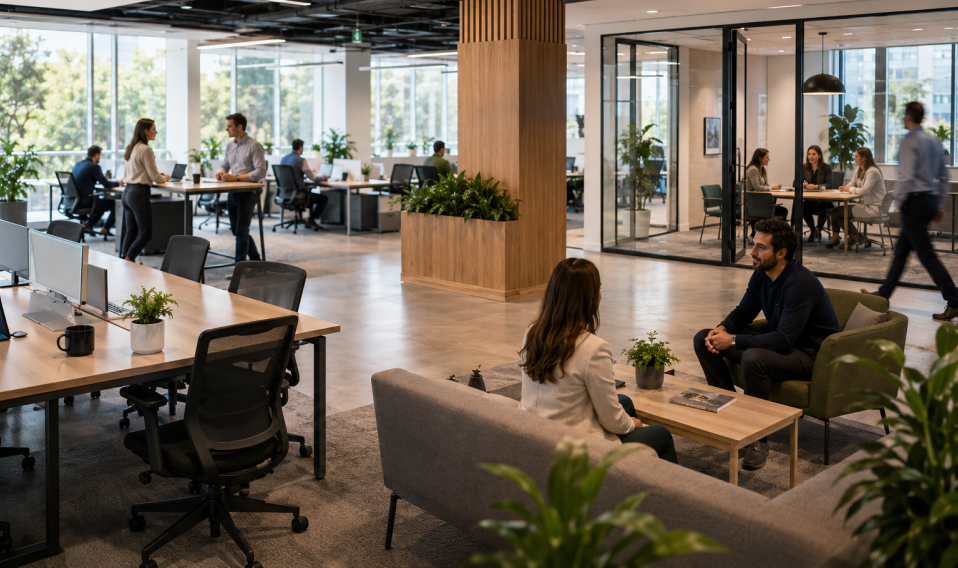
Hybrid work has transformed workplace management, making real-time space visibility, flexible booking, and workplace analytics essential for optimizing office usage, employee experience, and real estate costs.