

Book a demo
Get started

Hybrid work has fundamentally changed how enterprises use office space.
Employees no longer come into the office on fixed schedules, which means workplaces are harder to manage with traditional systems. Some days offices are crowded, while other days large sections remain empty. Meeting rooms go unused while employees struggle to find available desks or collaboration spaces.
For workplace and facilities leaders, this creates a new challenge: how do you build an office that is flexible, efficient, and aligned with how people actually work?
That’s why more organizations are investing in modern space management tools that provide real-time workplace visibility, simplify room and desk booking, and improve long-term office planning.
Many organizations still rely on spreadsheets, manual scheduling, or disconnected booking systems to manage office spaces.
These processes create friction for employees and limited visibility for workplace teams. Without accurate workplace data, organizations struggle to understand:
In hybrid work environments, those gaps quickly lead to inefficiencies.
Real estate remains one of the largest operational costs for enterprises, yet many companies lack the tools needed to optimize office usage effectively. As workplace expectations evolve, office management is becoming less about fixed seating and more about flexibility, occupancy insights, and employee experience.
Today’s enterprises need more than a basic booking system.
Modern workspace management software should help organizations coordinate hybrid work while giving workplace leaders the data they need to make smarter operational decisions.
That starts with a seamless booking experience. Employees should be able to reserve desks and meeting rooms quickly without navigating complicated systems. Real-time availability and interactive workplace maps make it easier for teams to coordinate office attendance and collaboration.
At the same time, workplace leaders need access to accurate space utilization tracking and occupancy analytics. Understanding how office spaces are used helps organizations improve office layouts, reduce wasted space, and adapt workplaces to changing employee behaviors.
Security and scalability also matter. Enterprise workplace platforms must integrate with tools like Microsoft Teams and Google Workspace while supporting centralized management across multiple office locations.
Comeen by LumApps helps enterprises simplify workplace management through intelligent room and desk booking, workplace analytics, and office space planning tools designed for hybrid work.
Employees can easily reserve desks or meeting rooms through a streamlined experience integrated into the tools they already use. Interactive office maps and real-time availability reduce scheduling conflicts while making office coordination easier across teams.
For workplace and facilities leaders, Comeen by LumApps provides visibility into occupancy trends, meeting room usage, and workplace demand. These insights help organizations make informed decisions around office layouts, workspace allocation, and long-term real estate strategy.
Instead of relying on assumptions, enterprises can optimize workplaces using real usage data.
This creates a more flexible and efficient workplace experience for both employees and operations teams.
One of the biggest shifts in modern workplace management is the growing importance of workplace analytics.
Hybrid work makes office usage less predictable, which means organizations need better visibility into how spaces are performing over time.
With accurate workplace analytics, enterprises can identify:
This data supports smarter office space planning and helps organizations reduce unnecessary real estate costs without sacrificing employee experience.
Rather than expanding office space based on assumptions, companies can make workplace decisions based on actual employee behavior.
That level of visibility is becoming essential for modern facility management and long-term workplace strategy.
Modern workplaces need more than scheduling tools.
Enterprises need workplace technology that helps them balance employee flexibility, operational efficiency, and smarter office planning in one connected experience.
This is why organizations are rethinking how they manage office space.
The goal is no longer simply assigning desks or managing meeting rooms. It is about creating adaptable workplaces that support collaboration while giving workplace leaders the insights they need to optimize office performance over time.
Platforms like Comeen by LumApps are helping enterprises move toward a more data-driven and flexible approach to workplace management.
As hybrid work continues to evolve, organizations that invest in smarter workplace systems will be better positioned to improve employee experience, optimize office usage, and adapt to the future of work.
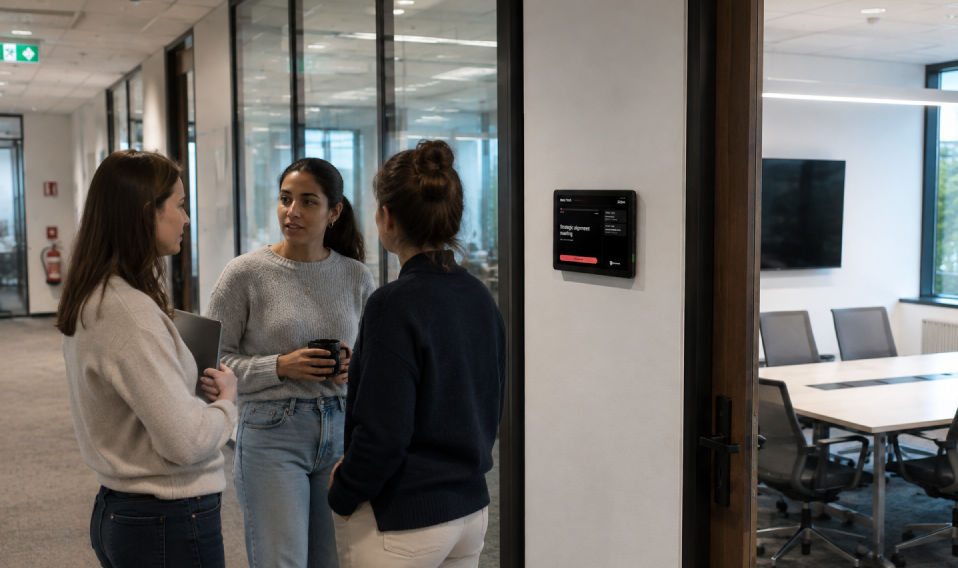
Space management creates more value when workplace data and employee experience work together. By connecting space usage, operational insights, and access to workplace services, organizations can better understand and optimize their spaces while making the workplace simpler for employees.

Hybrid work creates new workplace challenges, but the right approach can improve employee experience. Here are seven key features that help reduce friction, simplify office days, and create a more seamless workplace experience.
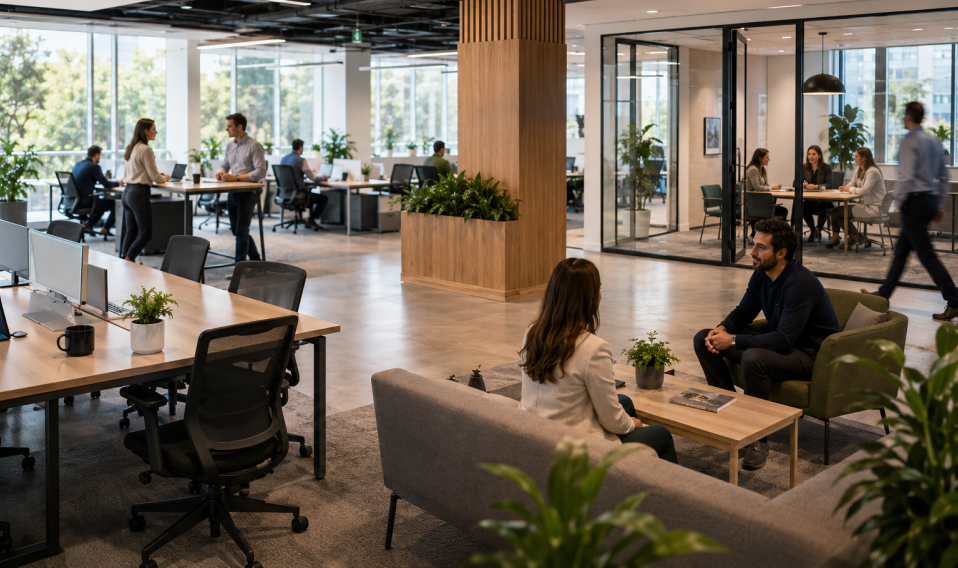
Hybrid work has transformed workplace management, making real-time space visibility, flexible booking, and workplace analytics essential for optimizing office usage, employee experience, and real estate costs.