

Book a demo
Get started
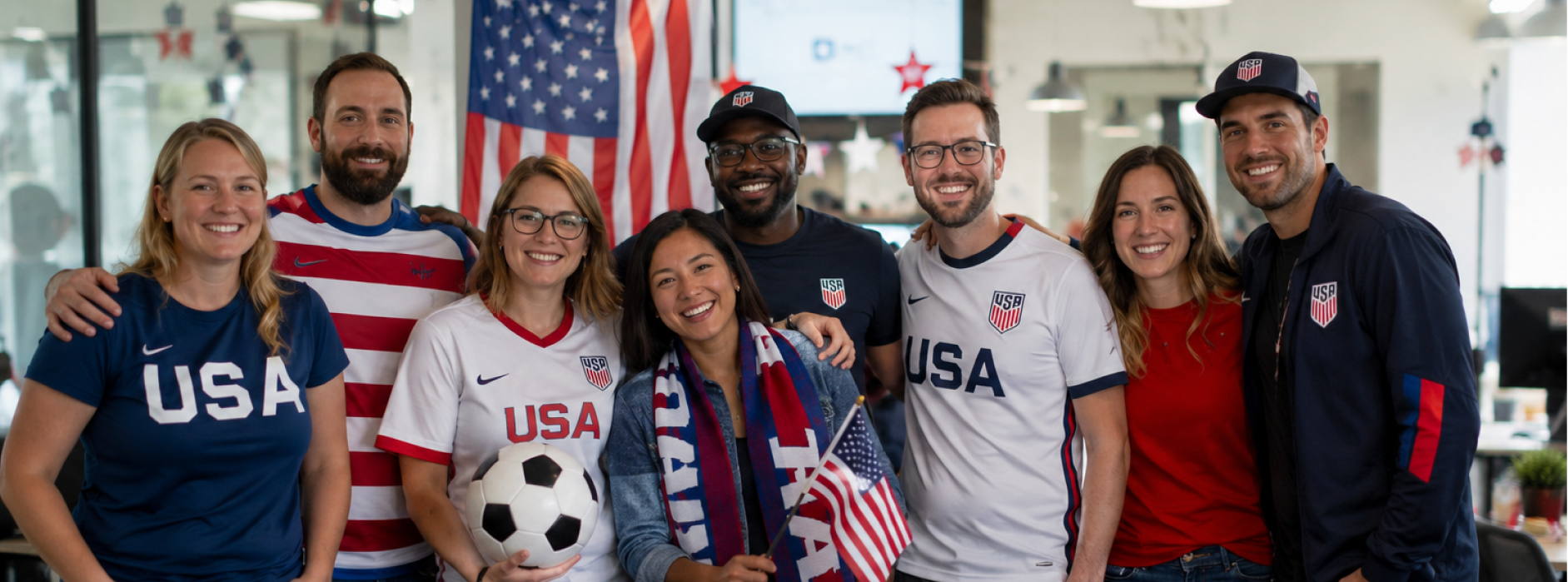
In today's workplace, attention is fragmented.
Employees are constantly switching between emails, chat notifications, meetings, internal platforms, and operational tools. For internal communication teams, cutting through the noise has become increasingly difficult.
Yet every so often, a global event captures attention on a scale few organizations can achieve on their own.
The FIFA World Cup is one of those moments.
For a few weeks, conversations naturally emerge across offices, break rooms, manufacturing sites, and digital workplaces. Colleagues discuss matches, share predictions, celebrate victories, and connect over a common experience that transcends departments, locations, and job functions.
For organizations, the opportunity isn't about football.
It's about attention.
One of the biggest challenges organizations face today is creating a sense of connection among employees.
As workforces become increasingly distributed, companies must find new ways to foster engagement, strengthen culture, and create meaningful experiences that extend beyond day-to-day tasks.
The most effective employee engagement initiatives often share one characteristic: they build on moments that employees already care about.
The World Cup provides exactly that.
Instead of competing for attention, organizations can align their communication and workplace experience strategies with a global event that is already generating excitement and conversation.
The result is a more authentic form of engagement one that feels natural rather than forced.
Capturing attention is only the first step.
The real challenge is transforming that attention into participation, connection, and shared experiences.
This is where workplace communication plays a critical role.
Throughout the tournament, organizations have an opportunity to create touchpoints that encourage interaction across teams and locations. Whether it's highlighting employee predictions, celebrating the diversity of national teams represented across the workforce, showcasing local office initiatives, or recognizing participation in company-wide challenges, the focus remains on employees rather than the event itself.
The World Cup becomes the catalyst.
Employees become the story.
While internal communication channels continue to multiply, physical workplace screens remain uniquely positioned to create collective experiences.
Unlike emails that are read individually or chat messages that quickly disappear, digital signage creates shared visibility.
It reaches employees in common spaces, meeting areas, cafeterias, reception zones, production floors, and other locations where workplace culture is experienced in real time.
During a global event like the World Cup, screens can help organizations bring together content that employees genuinely want to engage with while reinforcing broader communication objectives.
The most successful organizations don't simply display tournament information. They use digital signage to create moments of participation, recognition, and connection that support a stronger workplace experience.
The 2026 FIFA World Cup will be hosted across Canada, Mexico, and the United States, making it one of the most globally visible sporting events ever organized.
For multinational organizations, this mirrors a challenge they face every day: how to create a consistent experience across multiple locations while remaining locally relevant.
Digital signage helps bridge that gap.
Employees in different offices, countries, and time zones can participate in the same initiatives, view the same key moments, and feel connected to a larger company-wide experience.
This ability to create a shared narrative across locations is increasingly valuable as organizations seek to strengthen culture in distributed work environments.
The true value of leveraging a global event like the World Cup extends far beyond the final match.
Organizations that successfully activate employee engagement during high-attention moments often discover new ways to connect with their workforce year-round.
The lessons learned during these events, how to create participation, increase visibility, and encourage interaction—can inform broader communication and workplace experience strategies long after the tournament has ended.
Rather than viewing the World Cup as a temporary campaign, forward-thinking organizations use it as an opportunity to strengthen the channels and experiences that support employee engagement every day.
Creating a great workplace experience is no longer enough.
Employees need to see it, experience it, and participate in it.
This is where platforms like Comeen by LumApps help organizations maximize the value of workplace communication. By transforming digital signage into a dynamic employee engagement channel, organizations can make important moments more visible, connect employees across locations, and create experiences that feel timely, relevant, and human.
The 2026 FIFA World Cup may last only a few weeks, but the opportunity it presents is much larger: creating stronger connections between people, places, and the workplace itself.
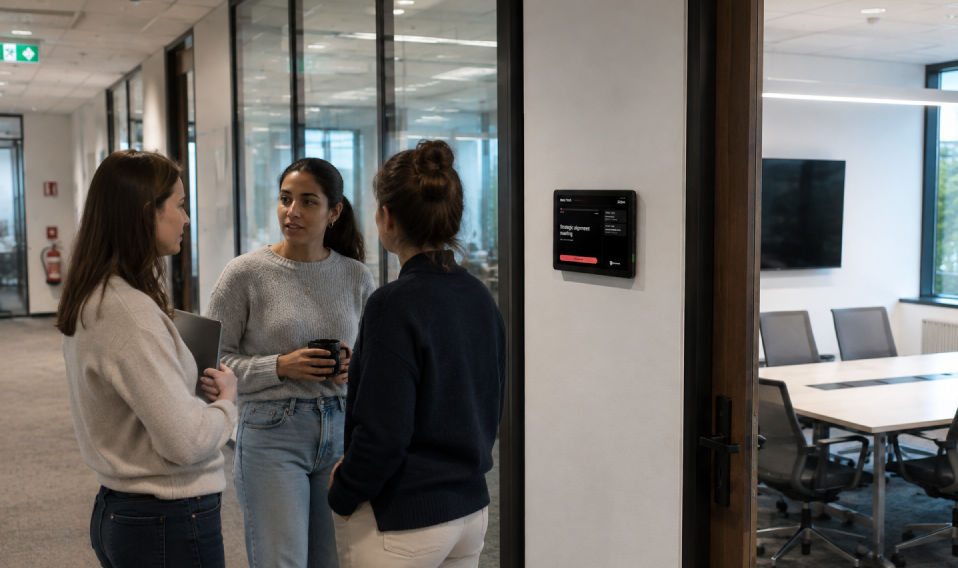
Space management creates more value when workplace data and employee experience work together. By connecting space usage, operational insights, and access to workplace services, organizations can better understand and optimize their spaces while making the workplace simpler for employees.

Hybrid work creates new workplace challenges, but the right approach can improve employee experience. Here are seven key features that help reduce friction, simplify office days, and create a more seamless workplace experience.
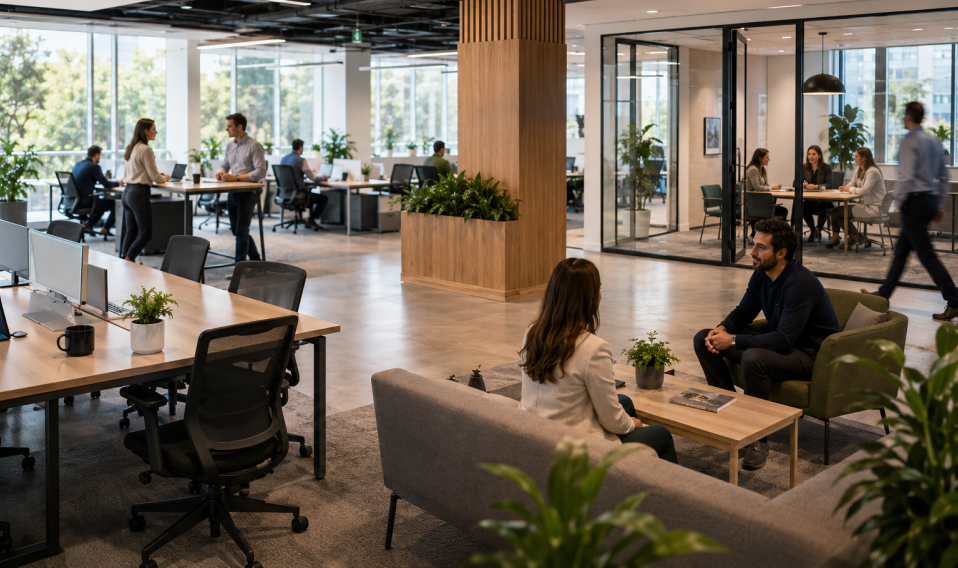
Hybrid work has transformed workplace management, making real-time space visibility, flexible booking, and workplace analytics essential for optimizing office usage, employee experience, and real estate costs.